
Common Reasons Dental Crowns Fail and How to Help Prevent Them
A crown covers a weakened or damaged tooth, helping it handle normal biting and chewing forces more effectively. If you have dental crowns in Grimsby, ON, knowing what can affect their longevity can go a long way toward avoiding unexpected issues and protecting your oral health.
Crowns can fail for several reasons, including decay, injury, wear, or issues affecting the tooth underneath. Recognizing early warning signs and following a few preventive habits can keep your crown strong and comfortable for years.
What Are Dental Crowns and Why Are They Used?
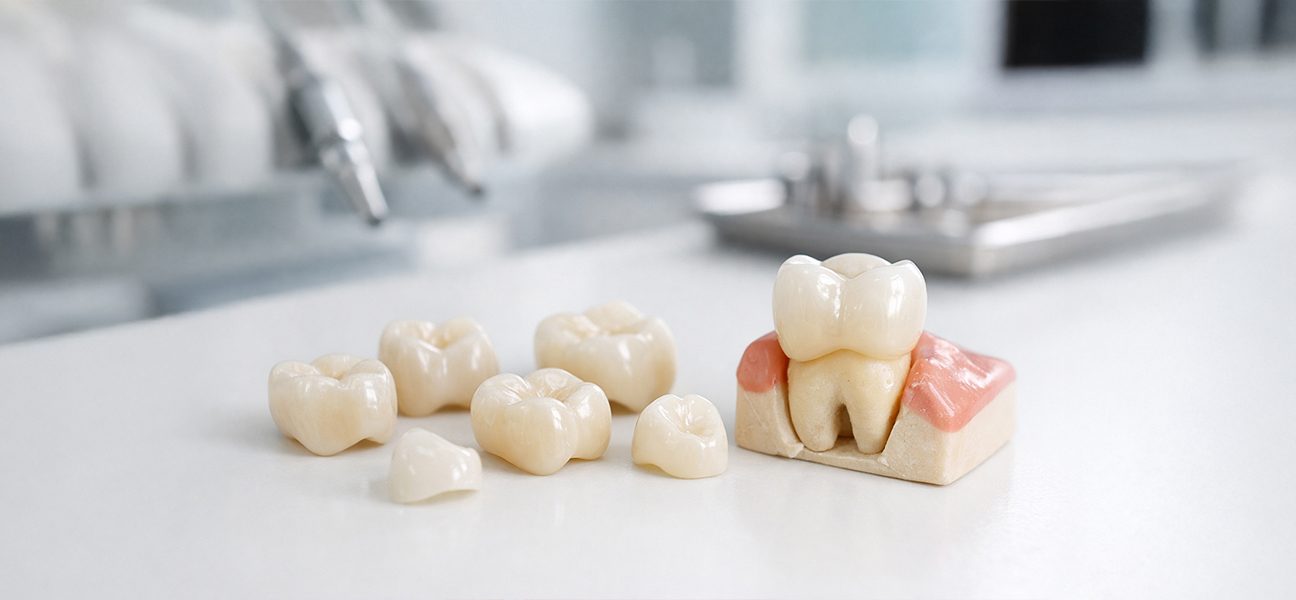
Dental crowns are custom-made coverings placed over a damaged or weakened tooth. Often called dental caps, they help strengthen vulnerable teeth and help restore normal chewing function while protecting the healthy tooth tissue beneath.
A dentist may recommend a crown for:
- Teeth weakened by large fillings
- Cracks or fractures
- Root canal-treated teeth
- Severe wear
- Cosmetic improvements in appearance
Crowns help restore everyday function, making it easier to chew comfortably, speak clearly, and protect a weakened tooth.
Common Reasons Why Dental Crowns Fail
Although crowns are durable, several factors can shorten their lifespan.
Decay Under the Crown
A crown cannot develop cavities, but the natural tooth beneath it can. Bacteria may collect near the crown margin, leading to decay that weakens the tooth structure.
Damage From Grinding or Clenching
People who grind or clench their teeth place significant pressure on dental restorations. Over time, this stress can cause cracks, fractures, or loosening.
Poor Crown Fit
A restoration that does not fit properly may allow bacteria to enter underneath. This can increase the risk of decay, discomfort, and future complications.
Injury or Trauma
A strong impact from a fall, sports activity, or accident can damage a crown in the same way it can affect a natural tooth. This risk is higher for patients who participate in contact sports without protective equipment.
Wear Over Time
Even well-maintained restorations experience gradual wear. Materials can weaken after years of chewing and daily use.
Signs Your Crown May Be Failing
Identifying potential problems early often makes treatment simpler and may reduce the risk of further damage.
Common warning signs include:
- Sensitivity to hot or cold temperatures
- Pain when biting
- A loose or shifting crown
- Visible cracks or chips
- Swelling around the affected area
- Changes in how your bite feels
In some situations, an infected tooth beneath a crown may cause discomfort, tenderness, or gum irritation. A dental examination and X-rays can pinpoint the source of the problem.
How Poor Oral Hygiene Affects Crowns
Many people assume a crowned tooth requires less attention. In reality, consistent oral care remains essential.
When plaque accumulates around a crown, harmful bacteria can multiply, increasing the risk of dental problems. This can contribute to gum disease and decay around the restoration.
Good daily habits include:
- Brushing twice daily with a fluoride toothpaste.
- Cleaning between teeth using floss or interdental cleaners.
- Attending routine dental examinations and professional cleanings.
- Limiting frequent consumption of sugary foods and beverages.
These simple steps support the health of both the crown and the natural tooth underneath.
The Role of Bite Alignment in Crown Longevity
How your teeth come together can influence the longevity of a dental crown.
When teeth do not come together evenly, excessive pressure may be placed on specific areas. Over time, this can contribute to fractures, loosening, and discomfort.
Your dentist in Grimsby may evaluate bite balance during crown placement to reduce uneven forces. Regular follow-up appointments can also identify changes before they become larger concerns.
How to Prevent Damage to Your Dental Crowns
Several practical measures can help reduce the risk of crown failure.
Protect Against Grinding
Nighttime grinding can place extra strain on dental restorations, and a custom night guard may ease that wear.
Avoid Using Teeth as Tools
Treating your teeth as tools may increase the likelihood of chips, cracks, or other damage to a crown.
Choose Foods Carefully
Hard candies, popcorn kernels, hard candies, or chewing on ice may increase the chance of damage.
Address Dental Concerns Promptly
Addressing concerns early can often prevent more extensive treatment later. Sensitivity, looseness, or discomfort should be evaluated without delay.
What to Do If Your Crown Becomes Loose or Damaged
A loose crown should never be ignored.
If you notice movement, discomfort, or damage:
- Avoid chewing on that side of the mouth.
- Keep the area clean.
- Save any detached pieces if possible.
- Schedule a dental appointment as soon as possible.
Prompt assessment allows a dentist to determine whether repair, replacement, or treatment of an underlying issue is necessary. Early care may limit additional damage or infection.
Tips to Extend the Life of Your Dental Crown
Most crowns can last many years when properly maintained.
Helpful habits include:
- Maintain consistent oral hygiene.
- Wear protective gear during sports activities.
- Attend regular dental visits.
- Manage grinding and clenching habits.
- Avoid chewing extremely hard objects.
- Follow your dentist’s recommendations for ongoing care.
The Canadian Dental Association recommends maintaining good oral hygiene and attending regular dental examinations to help maximise the longevity of dental restorations.
Final Thoughts
Dental crowns play an important role in protecting damaged teeth and restoring everyday function. Understanding the causes of crown failure, recognizing early warning signs, and maintaining good oral hygiene can lower the likelihood of complications.
If you have concerns about an existing crown or are considering a restoration for a damaged or weakened tooth, professional guidance can help you make an informed decision. Contact Olive Street Dental to learn more about dental crowns in Grimsby and discuss the best options for protecting your smile and maintaining your oral health.
Frequently Asked Questions
Many crowns remain functional for 10 to 15 years or longer. Longevity depends on oral hygiene, bite forces, material selection, and regular dental care.
Minor damage may sometimes be repaired. However, significant cracks, poor fit, or decay beneath the restoration may require replacement.
Occasional sensitivity may occur after placement, but ongoing discomfort should be evaluated to determine whether an underlying issue is present.
Yes. Crowns are often recommended for broken teeth that require additional support and protection.
You may notice movement when chewing, changes in your bite, discomfort, or sensitivity around the restored tooth.